How Switzerland Transformed Chocolate
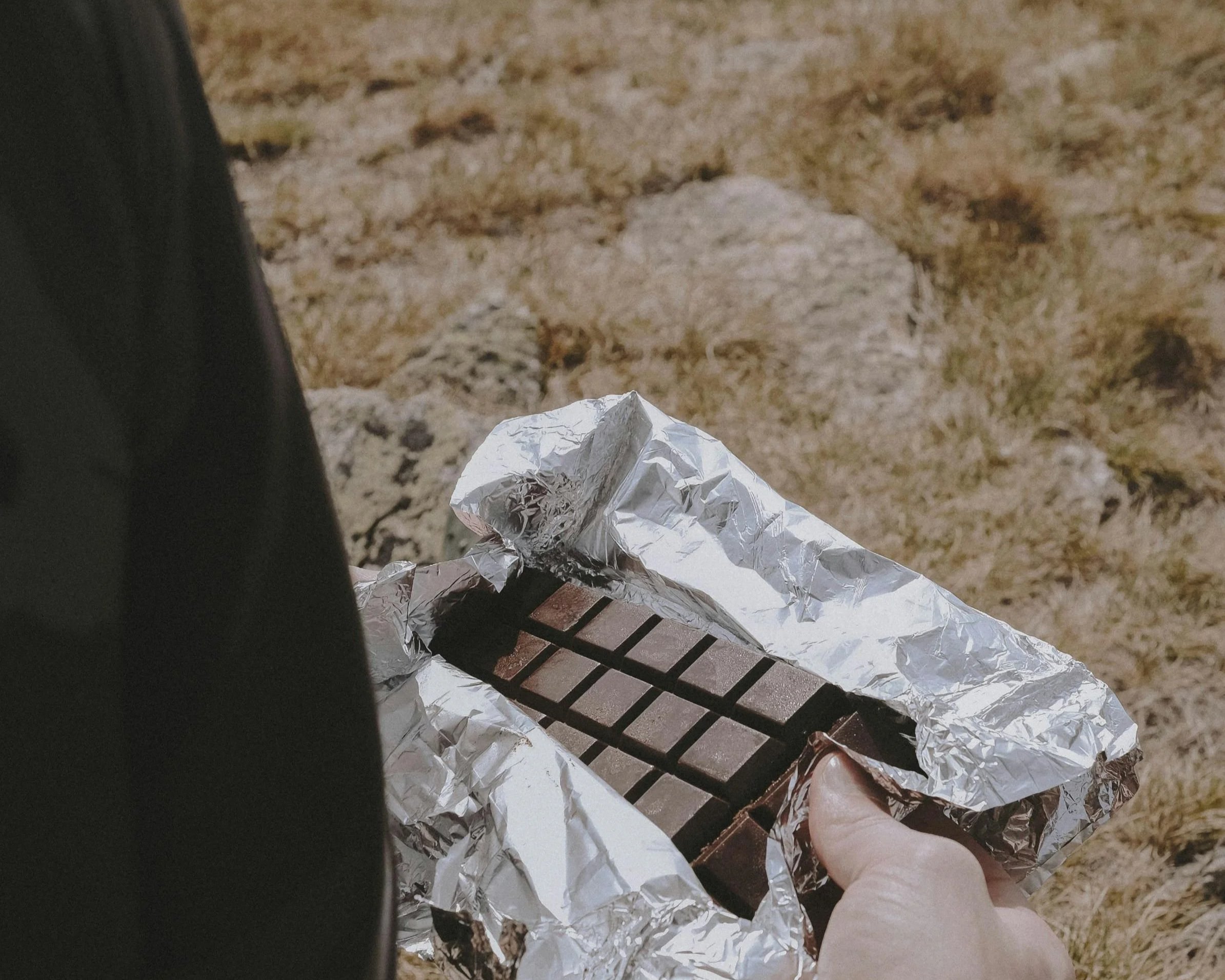
Photo credit: Photo by Kate Trifo
If you’ve ever wondered how Switzerland, a country with nothing inherently to do with chocolate, has come to have so much to do with chocolate, you and I have something in common.
After all, the Swiss climate and terrain aren’t exactly propitious for growing cocoa.
The First to Manufacture Chocolate
Turns out, when chocolate started to increase in popularity in Europe, a few enterprising Swiss businesspeople decided to get their hands, well, chocolatey.
The complex processing of cocoa limited the growth of most chocolate businesses until some determined proprietors in western Switzerland developed the equipment that allowed them to build the first-ever mechanized chocolate factories in the late 1700s. The chocolate they produced came in paper-wrapped cakes cut from hardened chocolate paste.
By the early 1800s, these factories produced enough chocolate to begin exporting it across Switzerland and into neighboring France and Germany.
To find easier ways to package and ship the exports, the Swiss chocolatiers undertook further innovation. A man named François-Louis Cailler, who opened his chocolate factory in the town of Vevey in 1819, tinkered with the manufacturing process to shift its output into tablet form. The flat “plate” of chocolate scored to break into squares had arrived.
How the Swiss Made Chocolate Tasty
Great that these clever Swiss found ways to mass produce chocolate and turn it into a tablet. Not so great that these innovations didn’t change the taste of the product. Chocolate was still dry and crumbly and mostly consumed as a drink.
Time to solve that problem.
In 1826, Philippe Suchard opened a factory in the town of Neuchâtel, where his manufacturing innovations milled sugar into the chocolate paste prior to forming it into tablets. I can only assume that, with some sugar in the mix, the chocolate appealed to consumers a great deal more than it had before.
And that’s where they left chocolate for a good fifty years.
Then, in 1875, a guy who had a business making baby food, Henri Nestlé, invented a way to dry milk for infant formula. Nestle’s neighbor in the town of Vevey, a guy named Daniel Peter, was one of the Swiss entrepreneurs with a chocolate operation. For years, he had tried to add milk to chocolate to create a creamier, tastier end product. But milk, to his frustration, had too much liquid for any of his experiments to work. When he heard about his neighbor Nestlé’s ’s dry-milk invention, he thought he might try again. He hit up Nestlé for some of his new product.
Miracle of miracles, it worked. Peter needed several more years to perfect the process, but he eventually brought milk chocolate to market.
Can’t give Nestlé and Peter the only credit for improving the taste of chocolate, though. Another Swiss man with a name you might know, Rodolphe Lindt, invented a process called “conching” in 1879 that evenly distributes cocoa butter in a chocolate mixture, resulting in a much smoother consistency.
Whew. How’s that for a history lesson? Now you know who to blame for your chocolate addiction.
Come to Switzerland, Eat the Chocolate
Let me guess: Now you want to come to Switzerland and eat a bunch of chocolate.
Smart person, you.
If you come, there are artisan chocolatiers all over the country. Don’t come and try only the big names! Ask at your hotel for the local artisan chocolate makers and turn visiting them all into a quest during your trip. You can’t go wrong.